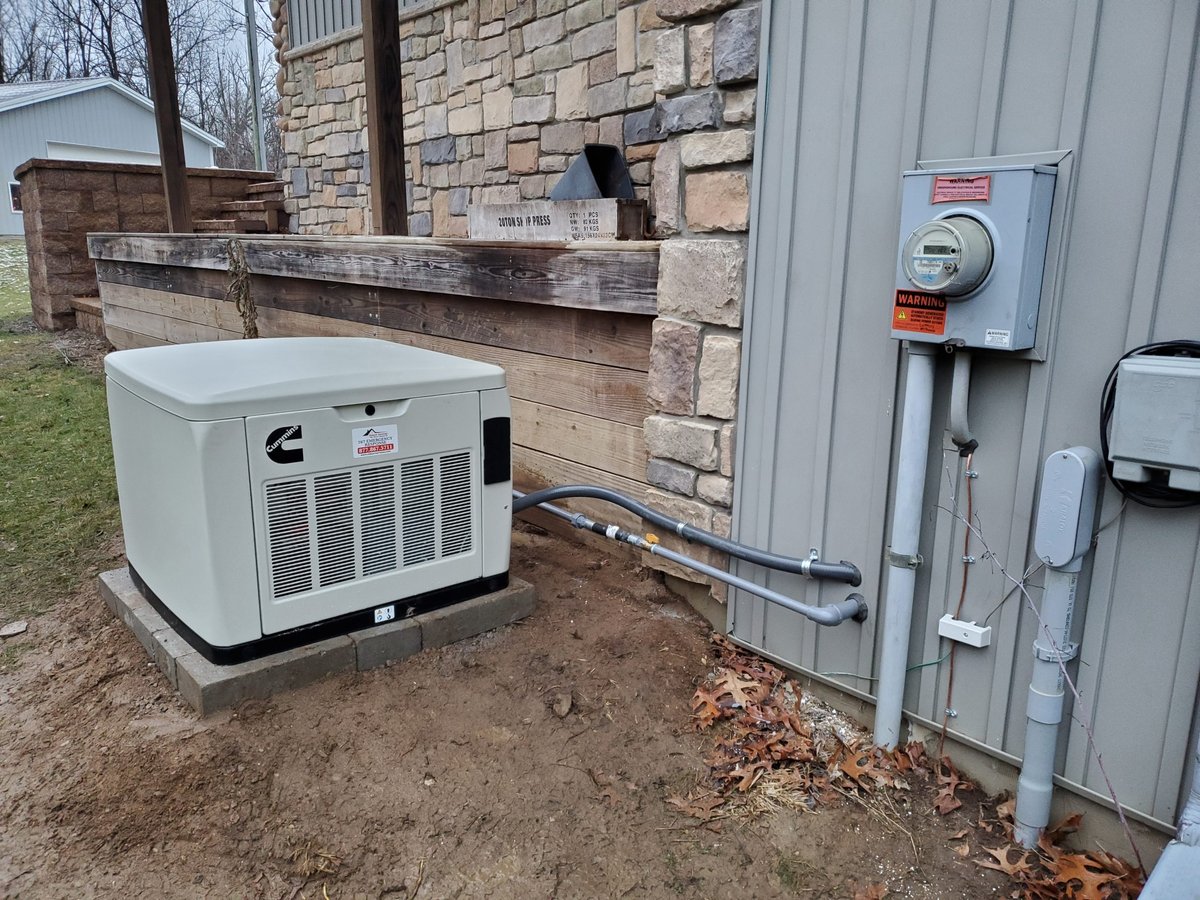
A sudden power outage can turn your home into a scene from a silent movie – until your Menards generator kicks in, that is. But what happens when that reliable hum turns into a reluctant cough, or worse, absolute silence? Don't panic. Troubleshooting Common Menards Generator Issues is often simpler than you think, empowering you to restore power with a few key checks and fixes.
Even the most robust generators, including the popular models you find at Menards, can encounter hiccups. Whether it’s a portable unit for tailgating or a standby system guarding your home, knowing the common failure points can save you time, money, and a lot of frustration.
At a Glance: Your Quick Fix Cheat Sheet
- Generator Won't Start? Check fuel, spark plug, control switch, and circuit breaker.
- Battery Dead? Clean terminals, test charger, replace if it won't hold a charge.
- Fuel Flow Problems? Drain old fuel, clear lines, check for water/sludge.
- Overheating? Clear air filter, ensure ventilation, reduce load.
- No Power Output? Reset breaker, check output cables, or call an electrician.
- Preventative Care is Key: Regular fluid checks, running under load, and professional service can prevent most issues.
When Your Generator Won't Even Whisper: Starting Failures
The most common and often most frustrating problem is a generator that refuses to start. It’s like a car refusing to turn over. Before you call for professional help, let's walk through the usual suspects.
Fuel: The Lifeblood (Or Lack Thereof)
It sounds obvious, but many starting issues trace back to the fuel system.
First, is the tank full? A generator out of fuel is a silent generator. If it has fuel, is it fresh fuel? Old gasoline, especially after extended storage, can degrade and clog the fuel lines or carburetor.
- The Fix: Top up the tank with fresh fuel. If it's old, drain the tank and refill it. You might also need to clear the fuel lines of any dirt, condensed water, or sludge that accumulated, which can often be done with a fuel system cleaner designed for small engines. For severe clogs or suspected fuel leaks, however, professional service is required.
Spark Plugs: The Ignition Point
Without a clean, functional spark plug, your fuel won't ignite.
- The Fix: Remove the spark plug and inspect it. Is it dirty, fouled with carbon, or wet with fuel? Clean it thoroughly with a wire brush or replace it with a new one if it's heavily corroded or damaged. A properly gapped and clean spark plug ensures steady ignition.
Control Switches and Breakers: The Electrical Gatekeepers
Sometimes, the problem isn't mechanical but electrical.
- The Fix: Ensure your generator's control switch is in the "On" or "Run" position and that it's properly reset if it tripped. Also, check the generator's circuit breaker and any associated wiring. A tripped breaker will prevent power from reaching the starter or ignition system.
Air in the Fuel System: A Hidden Culprit
For some generators, particularly diesel models, air can get trapped in the fuel lines, preventing fuel from reaching the engine.
- The Fix: This typically requires "bleeding" the fuel lines, a process best left to a qualified technician who can safely remove the air.
Debris in Valves: Internal Blockages
Dust or carbon buildup can block intake or exhaust valves, leading to hard starting or stalling.
- The Fix: This is an internal engine issue. If you suspect valve blockages, it's time for professional cleaning or service.
The Power Core: Battery and Electrical Hiccups
A generator’s battery is crucial for starting, especially for electric-start models. If your generator cranks slowly or not at all, the battery is your prime suspect.
Battery Problems: Weak or Dead
"Batteries are often the silent heroes of a generator, until they fail," notes Robert "Bobby" Mulholland, a seasoned technician. Dirty or corroded terminals can prevent a good electrical connection, while a weak battery simply won't have enough juice.
- The Fix:
- Clean Terminals: Disconnect the battery and clean any dirt, corrosion, or sulfation from the terminals and cables using a wire brush and a baking soda-water paste.
- Test Charger: If you have a built-in charger, test it to ensure it’s working. For manual charging, use a trickle charger.
- Replace: If the battery doesn't hold a charge after cleaning and charging, it's time for a replacement.
No Power Output: Your Generator is Running, But Nothing Happens
This is different from a non-starter; the engine is running fine, but your connected devices aren't getting power.
- The Fix:
- Reset Circuit Breaker: Most generators have an output circuit breaker that can trip due to an overload. Reset it.
- Check Cables and Wiring: Inspect all output cables and wiring for damage or loose connections.
- Call an Electrician: If power still doesn't return after these checks, there might be an internal fault with the alternator or wiring that requires an electrician from a company like Grounded Electric or Firebrand Electric.
Fueling Your Might: Issues with Gas and Diesel
Beyond simply having enough fuel, the quality and flow of that fuel are paramount.
Clogged Fuel Lines and Carburetors
This is a common issue for portable generators, especially after prolonged storage. Old, stale fuel can leave gummy deposits.
- The Fix: Drain any old fuel and replace it with fresh, stabilized fuel. For persistent clogs, the carburetor may need cleaning or servicing. Many parts, including carburetors, can be found at Menards if you're comfortable with DIY replacement.
Diesel Generator Specifics: Wet Stacking and Contamination
Diesel generators have their own unique fuel challenges.
- Wet Stacking: This occurs when a diesel generator runs at low loads for extended periods. Unburned fuel and carbon build up in the exhaust system. "It's like asking a marathon runner to only walk short distances – they'll get sluggish," explains engineer Barret Abramow.
- The Fix: Prevent wet stacking by regularly running your diesel generator at full load for a significant period. If deposits have already built up, professional cleaning may be needed.
- Fuel Contamination: Water and bacteria can collect in diesel fuel tanks, leading to clogged lines and filters.
- The Fix: Use fuel additives designed to prevent microbial growth and water accumulation. Inspect your fuel often. If contamination is severe, the tank may need professional cleaning.
Keeping Your Cool: Overheating and Fluid Levels
A generator working too hard or not cooling properly is a recipe for an automatic shutdown, protecting the engine from damage.
Overheating Shutdowns: A Warning Sign
If your generator suddenly shuts down, feels excessively hot, or displays an overheat warning, it's a clear signal.
- The Fix:
- Clean Air Filter: A dirty air filter restricts airflow, making the engine work harder and run hotter. Replace it if it's clogged.
- Ensure Proper Airflow: Make sure the generator is placed in a well-ventilated area, at least 3-5 feet away from any structures or objects. Clear any debris blocking cooling vents.
- Avoid Excessive Loads: Don't overload your generator. Refer to your owner's manual for its maximum wattage capacity and monitor output. If you're running too many appliances, it will strain the system.
Low Coolant or Oil: Essential Fluids
Just like your car, generators rely on adequate fluid levels to operate safely and efficiently.
- The Fix:
- Check and Top Up: Frequently check oil and coolant levels. Top them up to the recommended marks if they are low.
- Inspect for Leaks: If levels are consistently low, look for puddles or drips around the generator. Leaks require professional service to prevent major engine damage.
Beyond the Basics: Type-Specific Troubles
While many issues are universal, different generator types have their own common quirks.
Portable Power: Common Quirks
Portable generators, often used intermittently, face problems related to storage and smaller, more delicate components.
- Hard Starting After Storage: This is almost always due to old, stale fuel or a dirty spark plug.
- The Fix: Before storing your portable unit, run it dry of fuel or use a fuel stabilizer. Replace the spark plug at least annually, especially after heavy use.
- Carburetor Issues: These small, intricate components are highly susceptible to fuel residue clogs.
- The Fix: Regular carburetor cleaning is essential. If lines remain blocked despite cleaning, professional service might be needed.
- Inconsistent Power Supply: Fluctuations in power output can damage sensitive electronics.
- The Fix: First, ensure you have sufficient fuel. A low fuel level can cause the engine to sputter and the power output to vary. Next, check for a tripped circuit breaker on the generator itself. If the problem persists, an alternator repair might be necessary.
Diesel Dynamics: Unique Challenges
Diesel generators, prized for their durability, have specific needs. We've already touched on wet stacking and fuel contamination, but also consider:
- Exhaust and Valve Blockages: Carbon buildup is a constant threat in diesel engines.
- The Fix: Regular cleaning of exhaust systems and valve components is a critical preventive measure. Sometimes, part replacement is the only solution.
Mastering the Load: Don't Overwork Your Machine
Overloading is one of the quickest ways to cause problems, from tripped breakers to premature engine wear. Managing your generator's load effectively is crucial.
- Assess Power Requirements: List all essential devices you plan to power and their individual wattage.
- Prioritize Connections: Connect critical devices first (e.g., refrigerator, furnace fan, medical equipment).
- Stagger Use: Don't turn everything on at once. Power up heavy-consuming appliances one at a time, allowing the generator to stabilize.
- Monitor Output: Many generators have built-in meters to show current load. Stay within safe operating limits.
- Be Ready to Disconnect: If performance issues arise, immediately disconnect non-essential devices.
Your Best Defense: A Proactive Maintenance Plan
Prevention is always better than cure. A consistent maintenance schedule will drastically reduce the chances of encountering serious generator issues. Professionals like those at Firebrand Electric recommend servicing every six months to ensure safety and code compliance.
The Weekly Check-Up (Especially During Outages)
- Fuel Levels: Ensure your tank is full, especially if you're actively using the generator.
- Fuel Lines: Visually inspect for any signs of leaks or damage.
- Battery Charger: Verify that your battery charger is functioning, particularly for standby units.
Monthly Vigilance
- Coolant Level: Check and top up if necessary.
- Oil Level: Ensure the oil is at the correct level and doesn't look excessively dirty.
- Air Filter: Inspect the air filter for dirt or debris. Clean or replace it as needed.
The Bi-Annual Deep Dive (Every 6 Months)
- Run Under Load: Start your generator and run it under at least a partial load for 30 minutes to an hour. This keeps fuel fresh, fluids moving, and helps prevent wet stacking in diesel models.
- Book Professional Service: Schedule a comprehensive inspection and tune-up with a certified technician. They can perform tasks like bleeding fuel lines (if needed), checking for complex electrical faults, and ensuring all components are within spec.
Remember, many common replacement parts, from air filters to spark plugs, are readily available. You can Explore Menards generators and their related accessories and parts to keep your unit running smoothly.
Brand Nuances: What to Expect from Generac, Champion, and More
While troubleshooting principles apply broadly, certain brands seen at Menards sometimes have common tendencies. Knowing these can streamline your diagnostic process.
- Generac Generators: Often known for robust performance, Generac units can sometimes experience control switch malfunctions or battery issues, especially if the trickle charger isn't maintained.
- Firman Generators: Users occasionally report dirt clogs in fuel lines or carburetors with Firman models, highlighting the importance of fuel stabilization and clean storage.
- Champion Generators: Champion generators are generally reliable, but require consistent air filter and spark plug changes to maintain peak performance and avoid hard starting.
- Onan Generators: While typically very durable, Onan units might occasionally trip breakers or face wiring faults if the load management is not precise or if there's an underlying electrical issue.
These are tendencies, not defects. Regular maintenance, as outlined above, is your best defense against these and other common issues, regardless of brand.
When to Call in the Pros: Knowing Your Limits
While much of generator troubleshooting can be DIY, there are times when professional expertise is non-negotiable.
- Fuel Leaks: Any fuel leak is a fire hazard and requires immediate professional attention. Do not attempt to fix fuel leaks yourself.
- Persistent Electrical Problems: If you've reset breakers and checked obvious wiring but still have no power output, it could be an internal alternator fault or a more complex electrical issue. Call a licensed electrician or generator technician.
- Internal Engine Issues: Problems like air in the fuel system (requiring bleeding), persistent stalling due to valve blockages, or significant fluid leaks (coolant, oil) should be handled by an expert.
- Smoke, Strange Noises, or Burning Smells: These are red flags that indicate a serious problem. Shut down the generator immediately and call a professional.
Professionals like Robert Mulholland from Grounded Electric or Barret Abramow emphasize that safety comes first. "If you're unsure, or if it involves fuel or high voltage, always call in a pro. It’s not worth the risk," Mulholland advises.
Powering Forward: Final Tips for Reliability
Your generator is an investment in peace of mind. By understanding the common issues, performing regular maintenance, and knowing when to call for help, you can ensure your Menards generator is always ready to jump into action when the lights go out. Keep your eye on fuel quality, keep those fluids topped up, and don't shy away from that bi-annual professional check-up. Stay proactive, and your generator will serve you reliably for years to come.