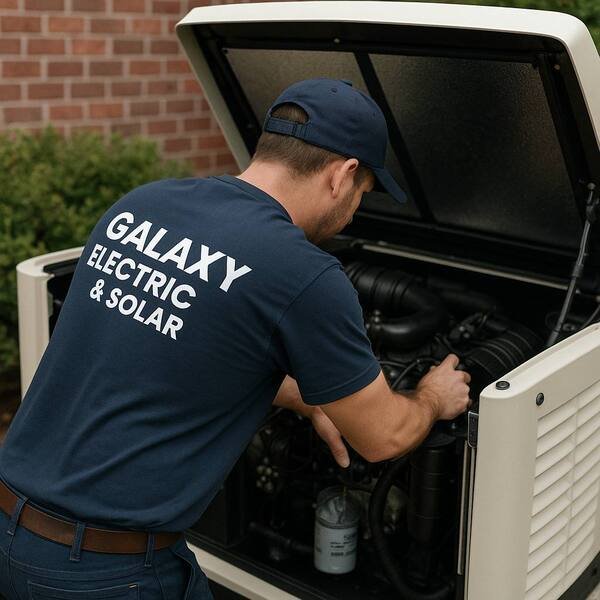
When the lights go out, your generator is more than just a machine; it's your lifeline to comfort and security. But like any vital piece of equipment, it needs care. Mastering Menards Generator Maintenance & Storage isn't just about prolonging your unit's life; it's about ensuring it springs to life reliably when you need it most. Neglect can turn a powerful backup into an expensive paperweight, leaving you in the dark.
This isn't just a manual rewrite. We'll cut through the jargon to give you practical, actionable insights, ensuring your Menards generator is always ready for action, whether it's a storm-induced outage, a remote job site, or a weekend camping trip.
At a Glance: Your Generator Readiness Checklist
- Regular Checks are Non-Negotiable: Don't wait for an outage; inspect your generator frequently.
- Fuel Management is Key: Old fuel is a generator's enemy. Stabilize or drain properly.
- Cleanliness Counts: Keep filters clear, and the unit free of debris.
- Proper Storage Extends Life: Protect it from elements, pests, and fuel degradation.
- Safety First, Always: Never operate indoors. Carbon monoxide is silent and deadly.
- Consult Your Manual: It’s your ultimate authority for model-specific details.
Why Your Generator Deserves Consistent Attention
Think of your generator as an athlete. It needs regular training (monthly runs), proper nutrition (fresh fuel), and periodic check-ups (oil changes, spark plug swaps) to perform at its peak. Without this discipline, it’s prone to "muscle pulls" (carburetor issues), "fatigue" (poor starts), or worse, a complete "injury" (system failure).
Especially for portable generators, often powered by gasoline, the biggest enemy is stagnation. Fuel components can degrade and gum up critical parts like the carburetor, making starting difficult or impossible. Standby generators, while often more robust and less prone to fuel issues due to natural gas/propane supply, still require regular exercise and professional servicing to ensure their automatic transfer switches and electrical systems are in top condition.
Understanding the different types of generators—from portable and inverter models ideal for recreation to powerful standby units for whole-home backup—is the first step in appreciating their specific maintenance needs. If you're still weighing your options, our comprehensive Menards generators guide offers a deep dive into selecting the perfect model for your needs.
The Seasonal Tune-Up: Getting Ready for Anything
Your maintenance schedule should ideally adapt to how and when you use your generator. However, a good rule of thumb is to perform thorough checks before and after peak usage seasons (e.g., hurricane season, winter storms) and at least monthly for exercise runs.
Pre-Season Preparation: Powering Up for What's Ahead
Before a predicted storm season or a period of heavy use, take these steps:
- Fuel System Flush & Fill: If your generator has been stored with old fuel, drain it completely. Refill with fresh, stabilized fuel. For dual fuel models, ensure your propane tanks are full and regulators are functioning.
- Oil Check & Change: Check the oil level. If it’s discolored or milky, it's time for a change. Follow your owner's manual for the correct oil type and viscosity.
- Air Filter Inspection: A clogged air filter chokes your engine. Clean or replace it as needed.
- Spark Plug Test: Remove the spark plug, inspect its condition, and clean or replace it if fouled. Ensure the gap is correct.
- Battery Health (Electric Start Models): Check terminals for corrosion and ensure the battery is fully charged. Use a trickle charger if it's been idle.
- Test Run: Start the generator outdoors. Let it run for 15-30 minutes under a light load (e.g., a few lights or a small appliance) to circulate oil and fuel. This "exercise" prevents carburetor gumming.
Post-Season Wind-Down: Preparing for Downtime
Once the immediate threat or heavy use period passes, prepare your generator for storage:
- Fuel Management is Critical:
- Short-Term Storage (under 3 months): Add a fuel stabilizer to a full tank of fresh gasoline. Run the generator for 10-15 minutes to ensure the treated fuel circulates through the carburetor.
- Long-Term Storage (over 3 months): This is where issues often arise. Drain all gasoline from the fuel tank and carburetor. Run the engine until it sputters and dies, ensuring no fuel remains to gum up components. Alternatively, use a fuel stabilizer as above, but always check your manual for the manufacturer's recommendation. Propane does not degrade, so propane-only or dual-fuel generators running on propane are simpler in this regard.
- Oil Change: Change the oil while the engine is warm. Fresh oil helps prevent internal corrosion during storage.
- Clean Exterior: Wipe down the generator, removing any dirt, dust, or debris. This helps prevent rust and identifies any potential issues for your next use.
- Protect from Pests: Critters love generators for nesting. Block exhaust ports with steel wool or a rag (remember to remove before starting!). Consider a generator cover.
For more detailed tips on specific times of the year, check out our guide on seasonal generator preparation.
The Essential Maintenance Checklist: Keeping Things Humming
Beyond seasonal checks, a regular routine ensures longevity. Here's a breakdown of the core components:
1. Oil Changes: The Engine's Lifeblood
- Why it Matters: Oil lubricates moving parts, reduces friction, dissipates heat, and prevents wear. Dirty or old oil loses its viscosity and protective properties.
- When: Every 50-100 hours of operation, or at least once a year, whichever comes first. Refer to your manual for exact intervals.
- How:
- Place a drain pan beneath the oil drain plug.
- Remove the drain plug and dipstick/oil fill cap.
- Allow all old oil to drain completely.
- Replace the drain plug securely.
- Refill with the recommended oil type (e.g., SAE 30, 10W-30, depending on temperature and model) to the "full" mark on the dipstick. Do not overfill.
- Dispose of used oil responsibly at an auto parts store or recycling center.
2. Air Filter Inspection & Replacement: Breathing Easy
- Why it Matters: The air filter prevents dirt, dust, and debris from entering the engine, which can cause excessive wear and damage.
- When: Inspect before each use and clean or replace every 50-100 hours, or more often in dusty conditions.
- How:
- Locate the air filter housing (usually a plastic box near the carburetor).
- Remove the cover and take out the foam or paper filter element.
- Foam filters: Wash gently with mild soap and water, rinse thoroughly, squeeze dry, and lightly oil with engine oil (if recommended by the manual).
- Paper filters: Tap out loose dirt. If heavily soiled, replace it. Never wash paper filters.
- Reinstall the clean/new filter and cover.
3. Spark Plug Care: The Ignition Key
- Why it Matters: The spark plug ignites the fuel-air mixture. A fouled, worn, or incorrectly gapped plug leads to hard starting, misfires, and reduced power.
- When: Inspect annually or every 100 hours. Replace every 200 hours, or as recommended by the manual.
- How:
- Remove the spark plug boot.
- Use a spark plug wrench to carefully remove the plug.
- Inspect the electrode for wear, carbon buildup, or damage.
- If reusable, clean off carbon deposits with a wire brush.
- Check the gap using a spark plug gapping tool. Adjust if necessary according to your manual's specifications.
- Hand-thread the plug back in to avoid cross-threading, then tighten with the wrench to the specified torque. Reattach the boot.
4. Fuel System Management: The Unsung Hero
- Why it Matters: Modern gasoline, especially ethanol-blended, can attract moisture and break down quickly, leading to gum, varnish, and corrosion in the fuel lines, carburetor, and tank. Propane avoids these issues but still needs proper tank connection and regulator checks.
- When: Before and after storage, and with every fill-up if not using stabilized fuel.
- How:
- Stabilizer: Always use a high-quality fuel stabilizer if gasoline will sit for more than a few weeks. Add it to the tank before filling with fresh gas, then run the engine for a few minutes to circulate.
- Draining (for long-term storage): Locate the fuel shut-off valve and carburetor drain screw (if available). Shut off the fuel, place a container, and drain the carburetor. Then, drain the fuel tank. Run the engine until it dies to burn off any remaining fuel.
- Fuel Filter: Some generators have an inline fuel filter. Inspect and replace this annually or if you notice fuel delivery issues.
5. Battery Maintenance (for Electric Start Generators)
- Why it Matters: A dead battery means no electric start, forcing you to rely on the pull cord (if available) or leaving you without power.
- When: Check terminals monthly. Test charge annually or every few months if stored.
- How:
- Clean Terminals: Disconnect battery cables and clean any corrosion from terminals using a wire brush and a baking soda/water solution. Reconnect securely.
- Charge: Use a trickle charger or battery maintainer to keep the battery topped off during long periods of inactivity.
- Water Levels (if applicable): For flooded lead-acid batteries, check electrolyte levels and top off with distilled water if low.
6. General Inspection: The "Once Over"
- Why it Matters: Catching small issues early prevents bigger problems.
- When: Before and after each use.
- How:
- Check for Leaks: Look for oil, fuel, or exhaust leaks.
- Examine Cords & Outlets: Ensure all outlets are clean and generator cords are in good condition, free of frays or damage.
- Tighten Fasteners: Vibrate parts can loosen. Check and tighten bolts, nuts, and screws.
- Cleanliness: Keep the generator exterior free of dirt, dust, and debris. This helps with cooling and prevents rust.
For common generator hiccups and basic solutions, our basic generator troubleshooting tips can often help you get back on track without a service call.
Smart Storage Solutions: Protecting Your Investment
Where and how you store your generator significantly impacts its longevity and readiness.
Location, Location, Location
- Dry & Ventilated: Always store your generator in a dry, well-ventilated area, away from direct sunlight, moisture, and extreme temperature fluctuations. A garage or shed is ideal, but never indoors where living spaces are present due to potential fuel fumes and carbon monoxide.
- Away from Flammables: Keep it clear of water heaters, furnaces, open flames, or anything that could ignite fuel vapors.
- Secure: Store it in a place where it won't be easily stolen or tampered with.
Short-Term Storage (Less than 3 Months)
If you anticipate using your generator again relatively soon, but not daily:
- Fuel Stabilizer: Ensure you've added fuel stabilizer to a full tank of fresh gas and run the engine for a few minutes.
- Cover: Use a breathable, waterproof generator cover to protect it from dust and debris.
Long-Term Storage (More than 3 Months)
For extended periods of inactivity:
- Fuel Draining is Paramount: As detailed in the "Post-Season Wind-Down" section, draining all gasoline is crucial to prevent gumming and corrosion. For propane-powered units, simply ensure the tank valve is closed and the tank is stored properly.
- Oil Change: A fresh oil change before long-term storage prevents sludge and corrosion.
- Battery Care: Remove the battery from electric start models and store it in a cool, dry place, connected to a trickle charger.
- Pest Control: Block off exhaust and air intake openings with steel wool or mesh to prevent rodents and insects from nesting. Remember to remove these before operation!
- Cover It Up: A durable generator cover offers protection from dust, moisture, and minor impacts.
Fueling Your Generator: Best Practices & Safety
The type and quality of fuel you use, along with how you store it, are foundational to generator performance and safety.
- Gasoline:
- Freshness: Always use fresh gasoline (less than 30 days old) with a fuel stabilizer.
- Ethanol-Free (if possible): Ethanol can be corrosive and attract water, which is detrimental to small engines. If you can find ethanol-free gas, use it. Otherwise, a good stabilizer is essential.
- Storage: Store gasoline in approved, clearly labeled containers away from your home, out of direct sunlight, and away from heat sources. Never store it inside.
- Propane (LP):
- Clean Burn: Propane burns cleaner than gasoline and doesn't degrade, making it ideal for storage and reducing carburetor issues.
- Availability: During power outages, gas stations may be inoperable, making propane an easier fuel to acquire.
- Storage: Store propane tanks upright in a well-ventilated outdoor area, away from direct sunlight and heat.
- Dual Fuel Generators: Offer flexibility. The ability to switch between gasoline and propane is a major advantage during extended outages or for simplified storage.
For a deeper understanding of your options, including the pros and cons of different fuels, check out our guide on choosing and storing the right fuel.
Safety First: Non-Negotiables for Generator Operation
Maintenance is about prevention, but safe operation is about immediate protection. These are critical:
- NEVER Indoors: Generators produce carbon monoxide (CO), an odorless, colorless, deadly gas. Always operate generators outdoors, at least 10-20 feet away from any building openings (windows, doors, vents), with the exhaust directed away from structures. Using a CO detector in your home is also a smart move.
- Proper Grounding: Ensure your portable generator is properly grounded as specified in the owner's manual. This protects against electric shock.
- Use the Right Cords: Use heavy-duty, outdoor-rated extension cords that are sufficiently thick (low gauge number) for the power load. Generator cords are often more efficient than standard extension cords for multiple appliances. Better yet, install a transfer switch.
- Transfer Switch: For home backup, a manual or automatic transfer switch is essential. This safely disconnects your home from the utility grid before connecting to generator power, preventing dangerous backfeed that can injure utility workers.
- No Overloading: Don't exceed your generator's rated wattage. Overloading can damage the generator and connected appliances.
- Keep Dry: Never operate a generator in standing water or rain without adequate protection (like an open-sided canopy designed for generator use).
- Cool Down: Allow the generator to cool before refueling. Spilled fuel on a hot engine can cause a fire.
These generator safety best practices are not suggestions; they are rules that can save lives and prevent property damage.
When to Call a Professional
While much of generator maintenance is DIY-friendly, some issues warrant professional attention:
- Complex Electrical Problems: If your generator isn't producing power, has fluctuating voltage, or trips breakers frequently, it could be an internal electrical fault requiring specialized diagnostics.
- Deep Engine Issues: Persistent starting problems after basic troubleshooting, strange noises, excessive smoke, or fuel system blockages that won't clear with additives often require professional repair.
- Standby Generator Service: Standby generators, with their intricate automatic transfer switches and larger engines, should be serviced annually by a certified technician.
- Warranty: Performing certain repairs yourself might void your warranty. Always check your manual.
Menards can often guide you to authorized service centers or provide replacement parts for common wear items.
Getting the Most from Your Menards Generator
Your generator is an investment in peace of mind. By consistently following these maintenance and storage guidelines, you're not just preserving a machine; you're preserving your ability to weather any storm, keep your projects on track, or enjoy the great outdoors without interruption.
Regular checks, smart fuel management, and mindful storage are the pillars of generator reliability. Don't let neglect turn your asset into a liability. Take the time, follow the steps, and ensure your Menards generator is always ready to deliver power when you need it most.