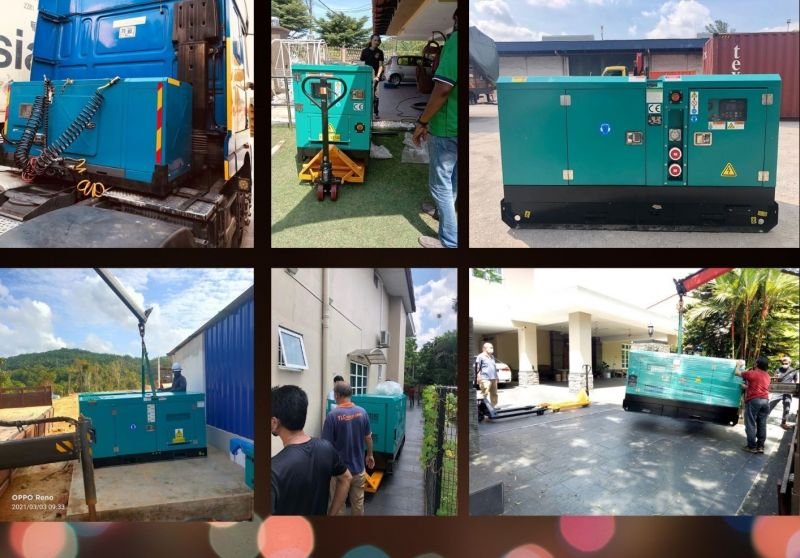
Power outages can strike without warning, turning a perfectly normal day into a scramble for candles, flashlights, and a quickly melting freezer. For many, a reliable generator isn't a luxury; it's a necessity, offering peace of mind and the power to keep life running. But with so many options, how do you choose the right one? This comprehensive Menards Generator Buying Guide will cut through the jargon, helping you understand your needs and find the perfect power solution for your home or jobsite.
Whether you're safeguarding your family during a storm, powering tools on a remote construction site, or simply enjoying the great outdoors, understanding generator types, power calculations, and safety protocols is key. Let's make sure your next power purchase is an informed one.
At a Glance: Your Quick Generator Checklist
- Calculate Your Power: List all essential items, find their running and starting watts, and sum them up. Don't guess!
- Know Your Type: Portable for flexibility, Standby for automatic whole-home power, Inverter for quiet sensitive electronics, Solar for eco-friendly short-term needs.
- Consider Your Fuel: Gasoline (common, short shelf-life), Propane (clean, long storage), Natural Gas (limitless for standby), Diesel (efficient, long storage), Solar (free, clean, sun-dependent).
- Safety First, Always: NEVER run a generator indoors. Keep it 10-20 feet from your home, away from vents, and use CO detectors.
- Essential Accessories: A transfer switch is crucial for safely connecting to your home. Generator cords are safer than standard extension cords.
- Maintenance Matters: Regular checks (oil, filters) and monthly runs for gas units keep your generator ready when you need it most.
Demystifying Power Needs: The Wattage Whisperer's Guide
Before you even glance at a generator, you need to know what you're powering. This isn't just about guessing; it's about a simple calculation that ensures you buy a generator strong enough for your specific demands. Too small, and you'll trip breakers or damage appliances. Too large, and you're overpaying for fuel and excess capacity you don't use.
Step 1: List Your Essentials
Start by listing every appliance, tool, or device you absolutely need to power during an outage or at your remote location. Think critically. Do you need the oven, or just the microwave? The entire workshop, or just your saw and drill?
- Refrigerator/Freezer
- Lights
- Well Pump (if applicable)
- Furnace/AC fan
- Medical equipment
- TV/Computer/Phone chargers
- Power tools (circular saw, drill, air compressor)
- Coffee maker, microwave, toaster
Step 2: Uncover Their Wattage Secrets
Every electrical item has a wattage rating. You'll typically find two figures:
- Running Watts (or Rated Watts): This is the power an item uses continuously once it's already on and operating.
- Starting Watts (or Surge Watts): This is the extra burst of power an item needs for a few seconds to start up, especially those with motors (refrigerators, pumps, power tools). This figure is usually much higher than running watts.
Where to find these numbers:
The best place is the item's owner's manual or a label directly on the appliance. If you can't find it, general online charts can provide averages, but be aware these are estimates.
Step 3: Summing Up Your Running Watts
Add up the running watts for all the items you intend to power simultaneously. This gives you your minimum continuous power requirement.
Step 4: Identify the Peak Starting Wattage
Look at your list and find the single item with the highest starting wattage. This is your critical surge requirement. Your generator must be able to handle this peak.
Step 5: The Generator's Job
Your chosen generator must produce:
- At least the total running watts you calculated.
- At least the single highest starting watts you identified.
Example Scenario:
Let's say you want to power:
- Refrigerator/Freezer: 700 Running Watts / 2,200 Starting Watts
- Space Heater: 1,800 Running Watts / 1,800 Starting Watts
- TV: 500 Running Watts / 500 Starting Watts
- Lights (assorted): 200 Running Watts / 200 Starting Watts
Calculation: - Total Running Watts: 700 + 1,800 + 500 + 200 = 3,200 Running Watts
- Highest Starting Watts: The refrigerator/freezer needs 2,200 Starting Watts. The space heater is 1,800 Starting Watts. So, 2,200 Starting Watts is your peak.
In this example, you would need a generator capable of producing at least 3,200 running watts and 2,200 starting watts. A good rule of thumb is to slightly oversize your generator, giving yourself a little buffer for future needs or unexpected surges. While a 20kW (20,000-watt) generator might cover most home devices, remember that larger generators mean more fuel consumption and a bigger footprint.
Generator Types Explained: Finding Your Perfect Match
Generators aren't one-size-fits-all. Each type offers distinct advantages for specific situations. Understanding these differences is crucial for making the right choice at Menards.
Portable Generators: Power on the Go
These are your versatile workhorses, designed for mobility. Powered primarily by gas or liquid propane, portable generators are perfect for temporary power needs – think remote jobsites, camping trips, tailgating, or basic home backup during an outage. They're generally less expensive than their standby counterparts and often connect via heavy-duty extension cords. If you plan to connect a portable unit directly to your home's electrical panel, you'll need a manual transfer switch (more on that later).
- Gas Powered: Often lower in initial cost, smaller, and easier to transport. However, gasoline has a limited shelf life and can be hard to acquire during widespread outages.
- Dual Fuel: These offer the best of both worlds, running on either gasoline or liquid propane. Propane burns cleaner, doesn't degrade over time, and can be stored much longer without stabilizers. During power outages, propane delivery might be more reliable as gas pumps rely on electricity.
While portable generators vary in size, remember that the larger the wattage, the heavier and sometimes louder the unit will be.
Standby Generators (Home Standby): The Ultimate Home Backup
For reliable, whole-house backup power without lifting a finger, standby generators are the gold standard. These units are permanently installed outside your home, hardwired directly into your electrical system. They're typically fueled by your home's existing natural gas or liquid propane supply, meaning no messy refueling during a storm.
The magic happens with an automatic transfer switch. This smart device constantly monitors your utility power. The moment it detects an outage, it seamlessly switches your home's power source from the grid to the generator, usually within seconds. When utility power returns, it switches back and shuts the generator down. Professional installation is mandatory for these units to ensure they meet local electrical codes and noise ordinances. Most homes can be adequately powered by air-cooled standby generators, but larger commercial properties might require more robust liquid-cooled models.
Inverter Generators: Quiet Power for Sensitive Electronics
A specialized type of portable generator, inverter generators are renowned for their quiet operation, lightweight design, and fuel efficiency. Unlike traditional generators that run at a constant RPM, inverters adapt their engine speed to the power demand. This "throttling up and down" not only saves fuel but also produces a cleaner, more stable sine wave of electricity, making them perfectly safe for sensitive electronics like laptops, smartphones, and medical devices.
Inverters typically hum between 50-60 decibels (about as loud as a normal conversation), making them ideal for camping or residential use where noise is a concern. Many models are dual-fuel capable, and some can even be "paralleled" – meaning you can link two smaller units together to double your wattage output when needed.
Solar Generators: Green Power, Quiet Performance
Think of solar generators as large, portable battery banks that can be charged in two ways: via a standard wall outlet or, more commonly, through solar panels. They produce zero emissions, operate silently, and are incredibly lightweight and portable.
Solar generators are excellent for short-term power needs, powering a small number of devices, or as a clean power source for camping and remote work. The energy itself is free and clean once you've invested in the panels and battery. However, their runtimes can be limited by battery capacity, and consistent sunlight is required for charging. For extended outages or high-power demands, they might not be sufficient on their own, often requiring a backup fossil-fuel generator or a larger battery reserve.
Fueling Your Power: A Deep Dive into Options
The type of fuel your generator uses significantly impacts its cost, convenience, and performance.
Gasoline
- Pros: Most common and readily available for portable generators, typically leading to lower initial unit cost.
- Cons: Has a limited shelf life (about 3-6 months without stabilizer), degrades over time, and can be difficult to obtain during widespread outages when gas stations lose power. It's also more flammable than other options.
- Maintenance: Requires a fresh supply, and fuel stabilizer is essential for long-term storage to prevent carburetor gumming.
Propane (Liquid Propane - LP)
- Pros: Clean-burning, stores indefinitely without degrading, and can be easily obtained in portable tanks. Less volatile than gasoline. Often used for standby generators and available as a dual-fuel option for many portables.
- Cons: Generally less energy-efficient and slightly less powerful than gasoline for the same engine size. Requires maintaining a supply of tanks.
- Maintenance: Burns cleanly, so it's often easier on engine components.
Natural Gas
- Pros: An almost limitless fuel source for standby generators, connected directly to your home's gas line. No refueling, no storage concerns, no worries about supply during an outage.
- Cons: Exclusively for standby generators. It's less energy-efficient than propane or diesel, meaning a natural gas generator will require a larger engine to produce the same wattage as an LP or diesel unit. Professional installation is required for the gas line connection.
- Maintenance: Very little fuel-related maintenance.
Diesel
- Pros: Highly fuel-efficient, offering excellent power output. Diesel fuel has a longer shelf life than gasoline and presents a lower fire hazard. Popular for larger portable and industrial generators due to its durability.
- Cons: Diesel generators are typically more expensive, heavier, and louder than gasoline or propane equivalents. Diesel fuel can "gel" in extremely cold temperatures.
- Maintenance: Requires regular fuel filter changes; winterizing may be needed in cold climates.
Solar
- Pros: Free, clean, and renewable energy. Silent operation, zero emissions, and no need to store or transport fuel.
- Cons: Requires sunlight for charging, limited by battery capacity and charging speed. Not suitable for high-wattage, continuous power over long periods without significant investment.
- Maintenance: Minimal maintenance, primarily cleaning solar panels and ensuring battery health.
Choosing for Your Use Case: Home, Jobsite, or Play?
Your primary need for a generator will dictate which type and features are most important.
Home Backup: Weathering the Storm
- For Whole-Home Blackouts: Standby generators with automatic transfer switches are the top choice. They provide seamless power to your entire home, automatically sensing outages and turning on. This is ideal for critical medical equipment, heating/cooling, and keeping your household running without interruption. Air-cooled standby generators are usually sufficient for most residential needs.
- For Essential Devices: Portable generators can be a cost-effective solution for powering crucial items like a refrigerator, some lights, and phone chargers. CRITICAL SAFETY NOTE: Portable generators must be operated outdoors, at least 10-20 feet away from your home, and far from any windows or intake vents, to prevent lethal carbon monoxide buildup. They power devices via heavy-duty extension cords or a professionally installed manual transfer switch.
- Safety First: Always install carbon monoxide detectors inside your home, regardless of your generator type.
Recreation: Camping, Tailgating, and Outdoor Adventures
- Portability is Key: Portable and inverter generators are excellent for recreational use. Their mobility allows you to bring power wherever your adventures take you.
- Quiet Please: Inverter generators shine here, offering quiet operation (50-60 decibels) that won't disturb your fellow campers or tailgaters. Their clean power is also perfect for charging phones, laptops, and powering small appliances in your RV.
- Fuel Flexibility: Dual-fuel portable or inverter generators offer the convenience of choosing between gas and propane, which can be a lifesaver when one fuel source is scarce.
Jobsite: Powering Through Projects
- Durability and Power: Portable generators built for jobsites are typically more rugged and designed to withstand demanding conditions. They need to produce substantial wattage—often at least 7,500 watts—to power multiple tools simultaneously.
- Sensitive Equipment: If your jobsite involves sensitive electronics or variable speed tools, look for generators with Electronic Fuel Injection (EFI) engines. These often provide low Total Harmonic Distortion (THD), ensuring cleaner power that won't damage delicate components.
- Mobility: The ability to move the generator around the site is a major advantage. Models with heavy-duty wheels and frames are essential. You can find robust jobsite power solutions that keep your projects running smoothly.
Commercial: Business Continuity
- Reliability and Scale: For business buildings, standby generators are almost always the best option. They ensure continuous operation, protecting data, equipment, and customer service.
- Power Requirements: Larger commercial properties often demand more powerful, liquid-cooled generators, which are designed for continuous, heavy-duty operation, unlike the air-cooled models typically used for smaller homes.
The Essential Accessories & Why They Matter
A generator alone isn't always enough. These accessories ensure safe and efficient power delivery.
Transfer Switch: Your Home's Safe Connection
This is arguably the most critical accessory for anyone connecting a generator to their home's electrical system. A transfer switch safely isolates your home's wiring from the utility grid, preventing dangerous "backfeeding"—where electricity from your generator flows back into utility lines, potentially injuring utility workers.
- Automatic Transfer Switches (ATS): Standard with standby generators. They automatically detect power outages, start the generator, and switch your home's power source. When utility power returns, they switch back and shut the generator off.
- Manual Transfer Switches (MTS): Can be installed with portable generators. You manually flip a switch at your electrical panel to transfer power from the grid to the generator, and vice versa. This is a much safer alternative to running extension cords through windows and prevents backfeeding.
- Why You Need One: Beyond safety, a transfer switch allows your generator to power circuits directly (e.g., specific outlets, your furnace, well pump), rather than relying on extension cords for individual devices, which also limits power to direct outlets. Using extension cords inappropriately can lead to fire hazards and electrocution risks.
Generator Cords: Powering Up Safely
Standard household extension cords are not designed for the heavy loads and continuous use of generators. Generator cords are specifically designed to be thicker, more durable, and properly rated for the current your generator produces. Always ensure any extension cords you use are appropriately rated for the wattage and amperage being drawn to prevent overheating and fire.
Safety First: Operating Your Generator with Confidence
Generator safety is non-negotiable. Following these rules can save lives and prevent damage.
The Golden Rule: Never Indoors!
This cannot be stressed enough: NEVER operate a generator indoors or in any enclosed or partially enclosed area, such as a garage, basement, shed, or even a screened-in porch. Generators emit carbon monoxide (CO), an invisible, odorless, and lethal gas. Even with open doors and windows, CO can build up to fatal levels rapidly.
- Placement: Position your generator at least 10-20 feet away from your home, pointing the exhaust away from any windows, doors, or intake vents. Maintain a minimum distance of five feet from any surrounding surfaces (walls, bushes, etc.) to ensure adequate ventilation and prevent overheating and fire hazards.
- CO Detectors: Install carbon monoxide detectors inside your home, ideally on every level and near sleeping areas. Check their batteries regularly. Newer portable generators often feature an Automatic CO Shutoff, which will power down the unit if fatal carbon monoxide levels are detected.
Fueling and Storage Safety
- Cool Down Before Refueling: Never refill fuel when the generator is hot or running. Allow it to cool down completely to prevent spills from igniting.
- Proper Storage: Store your generator in a dry area, away from flammable materials and out of reach of children.
- Fuel Storage: Store fuel in approved containers, in a well-ventilated area, away from living spaces and heat sources. For gasoline, consider fuel stabilizer for extended storage or drain the fuel completely if storing for many months. You can learn more about best practices for fuel storage here.
Read the Manual
It sounds simple, but it's often overlooked. Always read your generator's owner's manual thoroughly before its first use and refer to it for maintenance schedules and troubleshooting. Every model has specific requirements.
Maintenance for Longevity: Keeping Your Powerhouse Ready
A generator is an investment, and like any engine, it needs regular care to perform reliably when you need it most.
- Monthly Run-Time: For gas-powered generators, run them for 15-20 minutes once a month, under a light load (e.g., a couple of lights), to circulate fuel and oil, lubricate engine components, and prevent carburetor gumming.
- Fuel Management for Storage: If storing a gas generator for longer than a month or two, either treat the fuel with a stabilizer or drain the fuel tank and run the engine until it starves itself of fuel. This prevents stale fuel from clogging the carburetor.
- Routine Checks:
- Oil Changes: Follow the manufacturer's recommendations for oil type and change intervals. Check oil levels before each use. Many generators have a Low-Oil Shutoff feature, automatically turning off the unit if oil levels drop too low.
- Air Filter: Clean or replace the air filter regularly, especially if operating in dusty conditions.
- Spark Plug: Inspect and replace the spark plug as recommended to ensure easy starting and efficient combustion.
- Battery: For electric-start models, ensure the battery is charged and in good condition.
By staying on top of these maintenance tasks, you'll ensure your generator is ready to go when the power goes out.
Beyond the Basics: Cost, Features, and What to Look For
Understanding the financial investment and key features can further refine your decision.
Cost Considerations
- Portable Generators: Prices range from a few hundred dollars for smaller, basic models to over $2,500 for high-end, high-wattage, or inverter models. This is generally a fixed price, though you'll need to factor in fuel.
- Standby Generators: These are a more significant investment. The generator unit itself can start around $3,000, but professional installation costs can add thousands more. Factors like complex placement, upgrading your home's electrical panel, or needing to run a new gas line will increase the total cost. However, the convenience and peace of mind can be priceless. You can often find information on home standby generator installation services through Menards.
AC vs. DC Generators
- AC (Alternating Current): This is the standard power type for virtually all household appliances and tools. Most generators produce AC power.
- DC (Direct Current): More commonly found in battery banks, car batteries (12-volt outlets), and some specialized backup units. While some portable generators might have a DC outlet for charging car batteries, you'll generally need an inverter to convert DC to AC for typical household use.
Other Handy Features
- Electric Start: Say goodbye to pull cords! Many portable generators now offer electric start via a switch, remote control, or push-button, making startup quick and effortless.
- Fuel Gauge: For gasoline or diesel generators, a built-in fuel gauge provides an easy way to monitor fuel levels and plan for refueling.
- Noise Level: As mentioned, inverter generators are typically the quietest (50-60 decibels). Traditional portable generators can range from 70-100 decibels, which is significantly louder. If noise is a major concern for your application (e.g., camping or close neighbors), always check the decibel rating.
- GFCI Outlets: Ground Fault Circuit Interrupter (GFCI) outlets are a safety feature that protects against electric shock, especially useful when operating in wet or outdoor conditions.
- Wheel Kits and Handles: For portable generators, robust wheel kits and comfortable handles make transport much easier.
- Maintenance Alerts: Some advanced models will notify you when it's time for an oil change or other routine maintenance.
Your Next Steps: Making the Smart Choice at Menards
Choosing the right generator means balancing your power needs, budget, and specific use cases. By carefully calculating your wattage, understanding the pros and cons of different types and fuel sources, and prioritizing safety, you'll be well-equipped to make an informed decision.
Menards offers a wide selection of generators from various reputable brands, catering to every need from basic home backup to robust jobsite power. Take your calculated wattage requirements with you, discuss your specific use case with a knowledgeable associate, and don't hesitate to ask questions about installation options for standby units or transfer switches.
Being prepared for power outages or having reliable power for your projects isn't just about having a machine; it's about having peace of mind. With this guide, you're ready to make a confident choice. To start exploring your options and find the perfect generator for your needs, you can Explore Menards generators today. Your reliable power solution awaits.